Construction Embodied Intelligence Mini Camp Day 1: Defining Problems on Site, Delivering Solutions in Real Scenarios
Aug 26
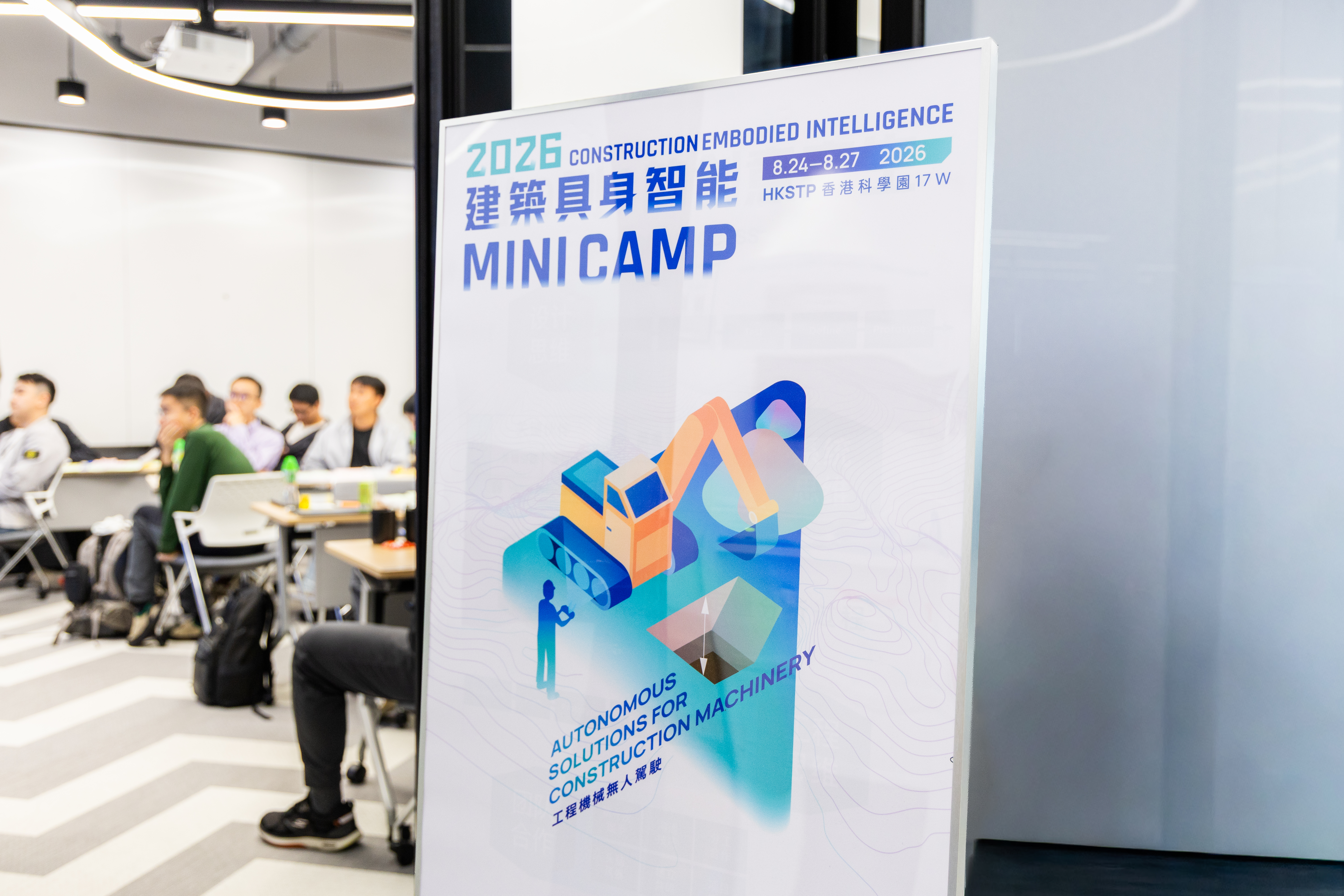
On August 24, 2026, the "Construction Embodied Intelligence Mini Camp," co-hosted by the Hong Kong Centre for Construction Robotics (HKCRC) and CSCEC Hong Kong, officially kicked off at the Hong Kong Science and Technology Park (HKSTP).
Over the next four days, participants will embark on an intensive innovation sprint: building a foundational understanding of the construction industry, conducting on-site research and interviews at real construction sites, defining problems through collaborative brainstorming, and ultimately presenting a pitch-ready solution.
The true value of an innovation camp is defined first and foremost by who stands behind it—and who walks alongside it.
CSCEC Hong Kong, a leader in Hong Kong's construction industry with nearly HK$100 billion in annual new contracts, has left its mark on landmark projects including the Hong Kong-Zhuhai-Macao Bridge and the Hong Kong Palace Museum. In this innovation camp, senior executives from CSCEC Hong Kong will personally participate in pain-point sharing and project mentoring, supporting participants in conducting on-site research and deep scenario understanding—treating entrepreneurial projects as long-term endeavours.
The fellow travellers are 30 participants from across the globe, with backgrounds spanning smart construction, robotics and AI, industrial design, IoT, mechanical and aerospace engineering, architecture, and beyond. This camp is designed to bring together this diverse group, allowing different perspectives to converge and spark truly interdisciplinary synergy.
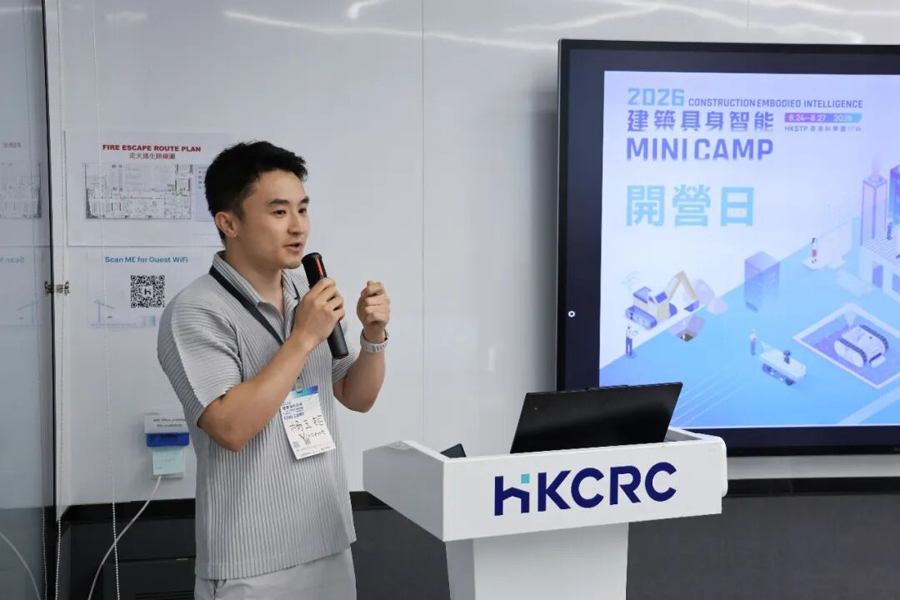
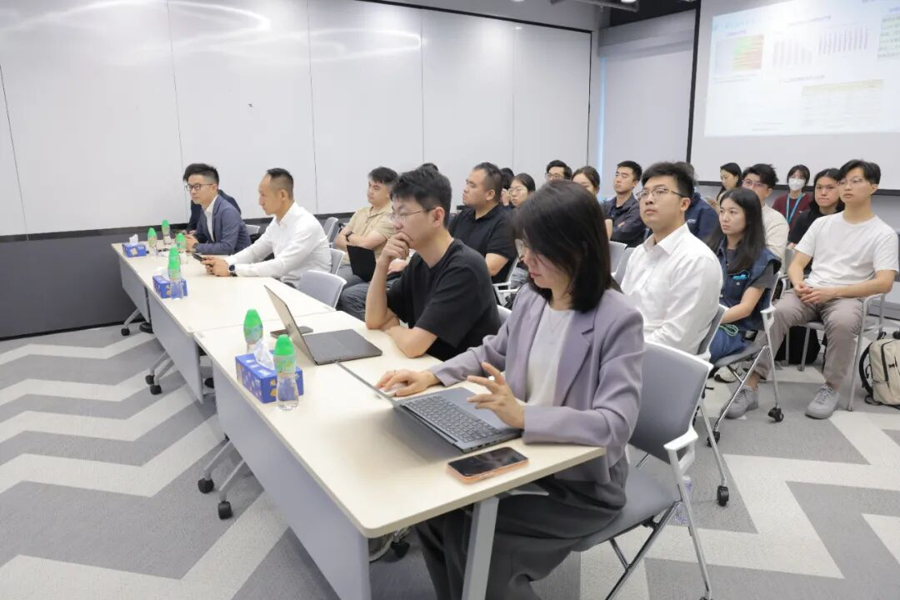
To help participants get into the right mindset, the camp organised a pre-camp warm-up day on August 21. Some participants attended in person at the centre, while others joined via online conference. Shao Ruizhe, Deputy General Manager of CSCEC Hong Kong and Chairman of Haihong Technology Co., Ltd., led the CSCEC Hong Kong team to the venue for a candid face-to-face industry dialogue with the participants.
HKCRC Marketing Director Li Yonggang opened the session, sharing "Opportunities and Challenges in Today's Construction Industry" based on years of industry experience and the current state of construction development. He also interpreted the opportunities that Hong Kong's Northern Metropolis strategic plan brings to new engineering education and smart construction, setting the tone for the entire camp: "Starting from real industry problems."
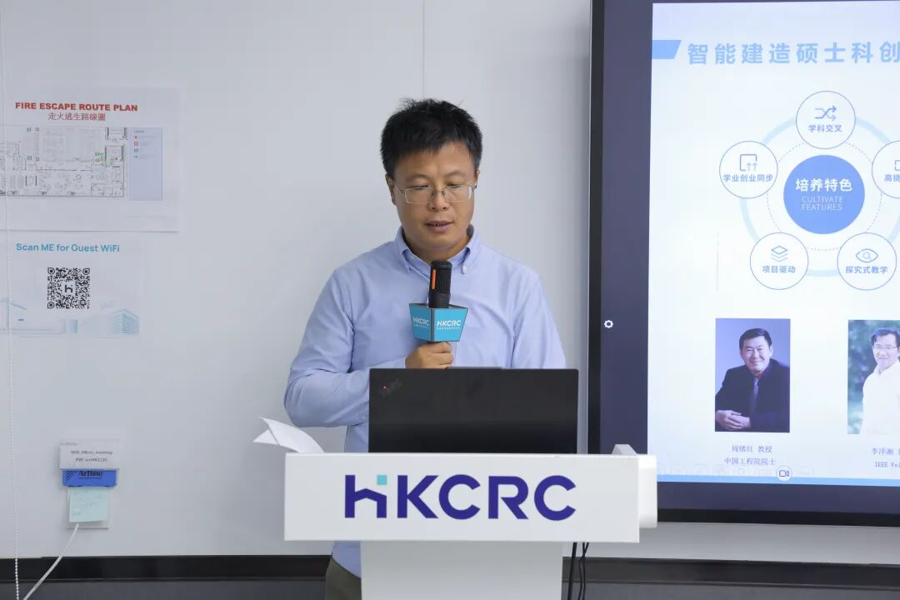
Following this, General Manager Shao delivered a keynote presentation. He showcased CSCEC Hong Kong's digital transformation roadmap and presented eight pain points and eight needs with clear scenarios and market potential, identified through the company's site research conducted in the first half of the year.
Shao candidly noted: "These eight issues are just the tip of the iceberg in CSCEC Hong Kong's on-site construction challenges—but they also represent potential market sources for innovative products and disruptive business models." Building on this, he further articulated CSCEC Hong Kong's mission to "lead industry safety development and empower smart, efficient production," expressing his expectations for the participants' pitch presentations four days later.
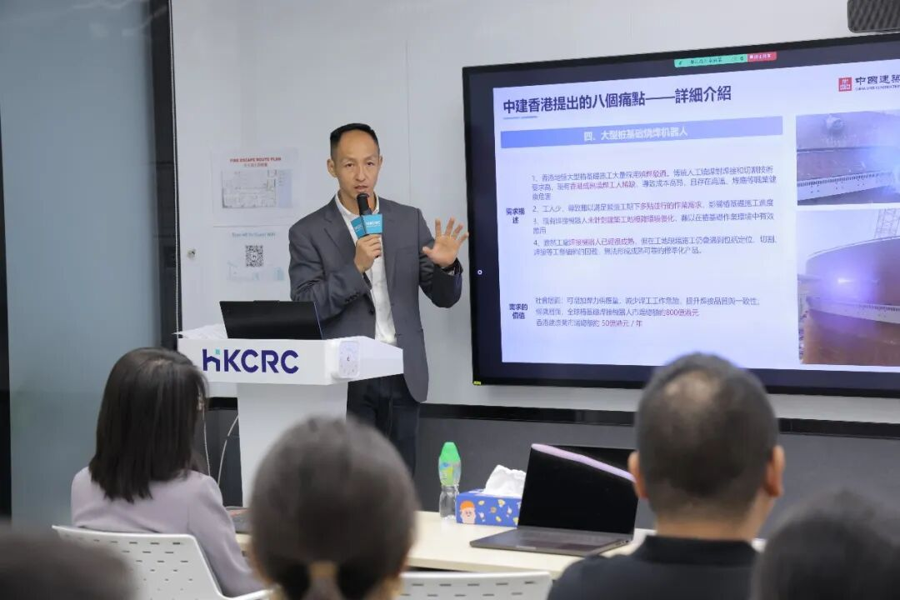
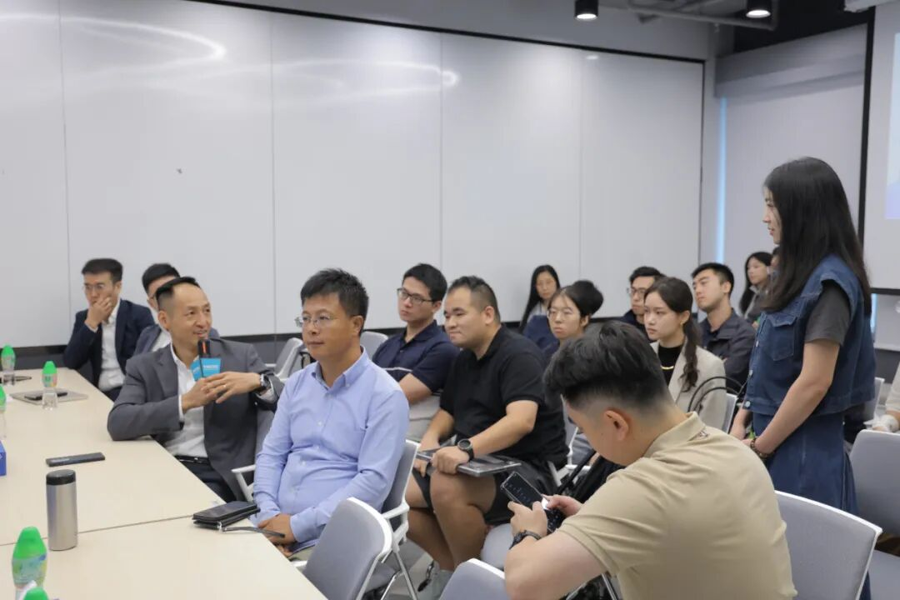
During the interactive session, participants raised further questions about the eight pain points, and General Manager Shao addressed each from both practical and managerial perspectives. These face-to-face exchanges transformed "seeing the real construction industry" from a conceptual notion into a set of tangible, concrete problems.
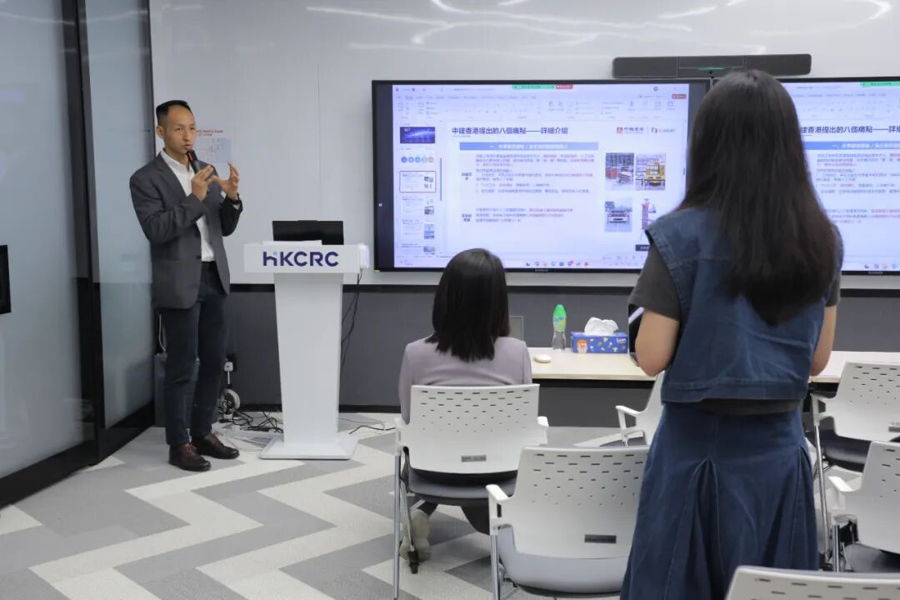
Subsequently, Xu Peng, Operations Director of CSCEC Hong Kong Haihong Company, drew on the company's practical deployment to note that while the construction industry and entrepreneurs are naturally well-matched, traditional construction enterprises—constrained by cost, safety, and schedule pressures—struggle to implement innovations. This makes it all the more essential for both sides to jointly explore viable, implementable innovative solutions through the shared practice of this camp.
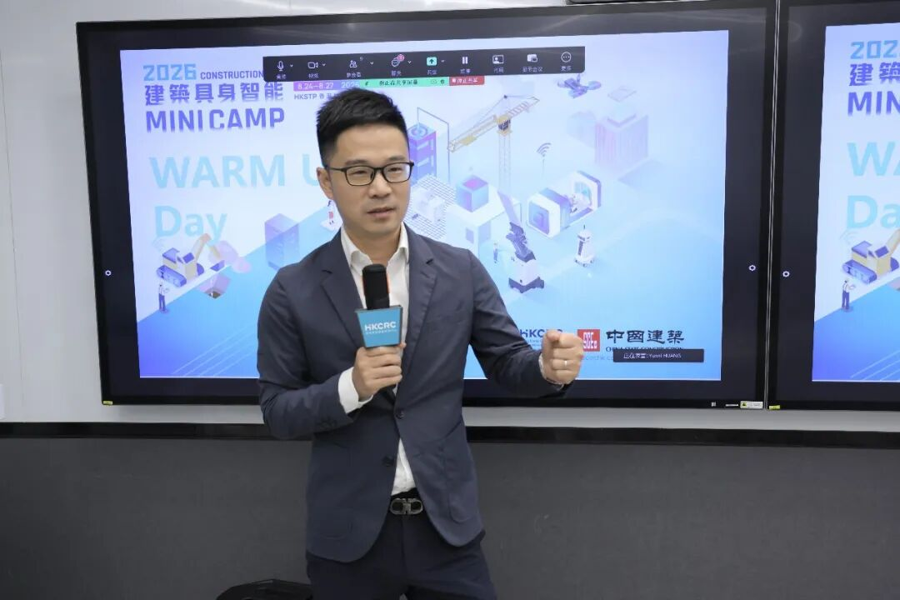
Guan Chao, R&D Director of CSCEC Hong Kong Haihong Company, drew on his own career transition experience to encourage young participants to boldly pursue entrepreneurship in today's rapidly changing environment and explore a wider range of career possibilities.
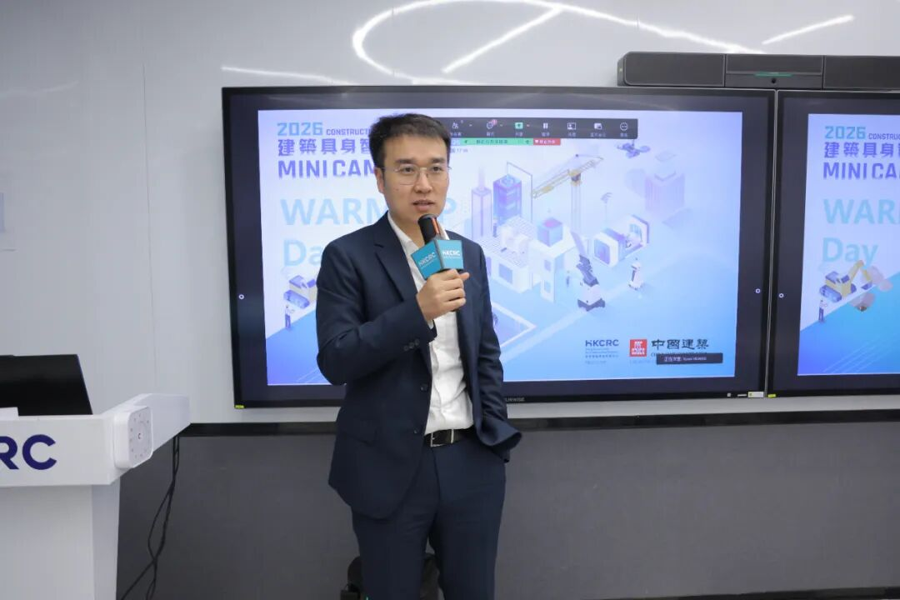
Yang Jinze, Manager of the Innovation Business Department at CSCEC Hong Kong Haihong Company, will participate throughout the entire camp. As a past participant himself, he shared his insights and encouraged everyone to get to know each other early and form well-matched teams.
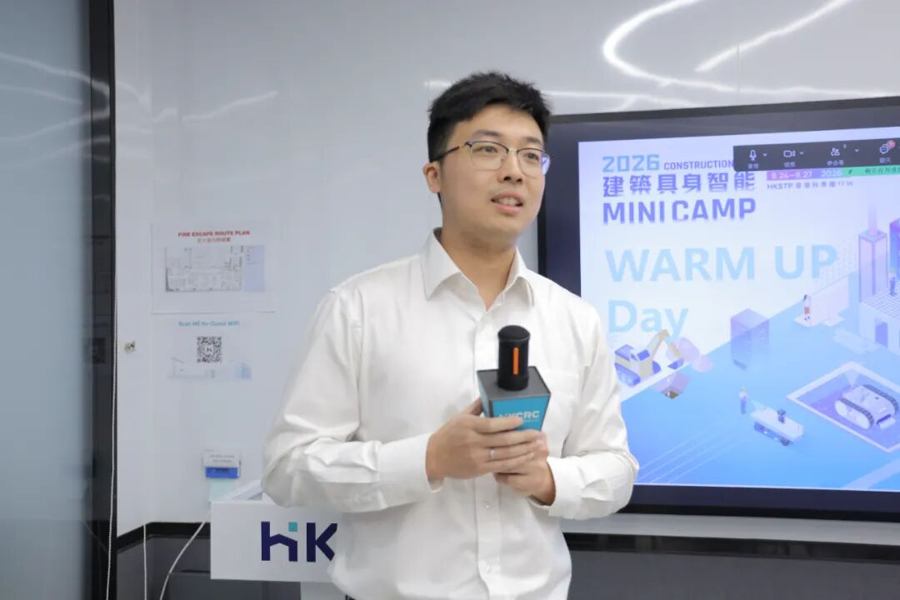
This pre-camp dialogue brought all participants face-to-face with the most authentic voices of the industry before the official start, setting a pragmatic tone for the four days ahead.
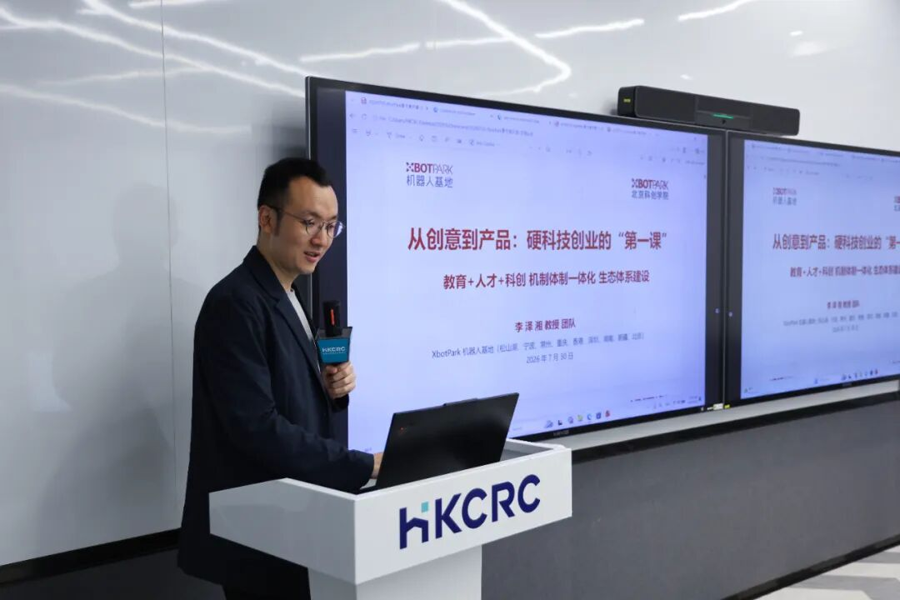
In the morning, Dr. Liang Haobo, Deputy Director of HKCRC, delivered the "first lesson" on hard-tech entrepreneurship, systematically introducing the integrated ecosystem of "education + talent + tech innovation" centred around Professor Li Zexiang. This gave participants a comprehensive understanding of HKCRC and XbotPark's innovation ecosystem and its achievements.
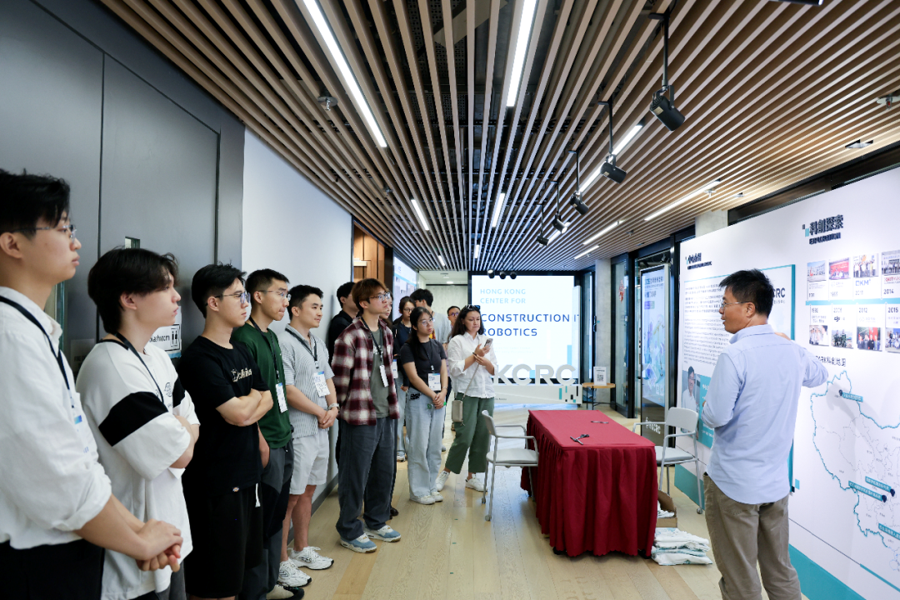
Next, HKCRC Marketing Director Li Yonggang led participants on a tour of the centre's exhibition area, deepening their understanding of the centre's history and incubated embodied intelligence construction products, allowing them to experience firsthand the tangible form of "construction + embodied intelligence."
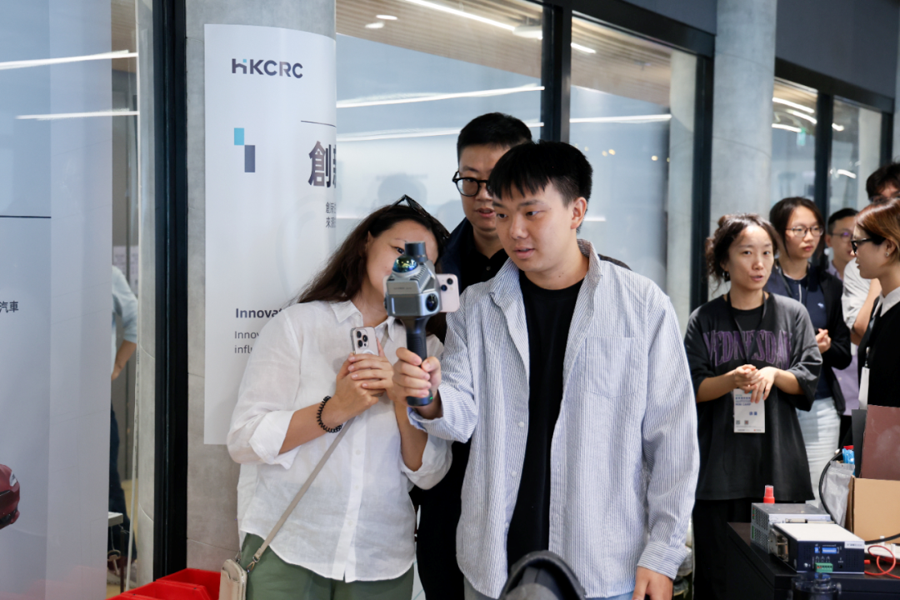
To help participants get to know each other quickly, the camp also arranged self-introductions and ice-breaking team-building activities. In a relaxed atmosphere, everyone learned about each other's backgrounds and interests, seeking like-minded teammates and laying the groundwork for formal team formation in the days ahead.
In the afternoon, Product Manager Zuo Kui delivered a session on Design Thinking and the Double Diamond Model as the core methodology. Using the real product case of "IoT Smart Ruler for Construction Quality Inspection," he explained in an accessible way how to drive product innovation starting from genuine user needs.
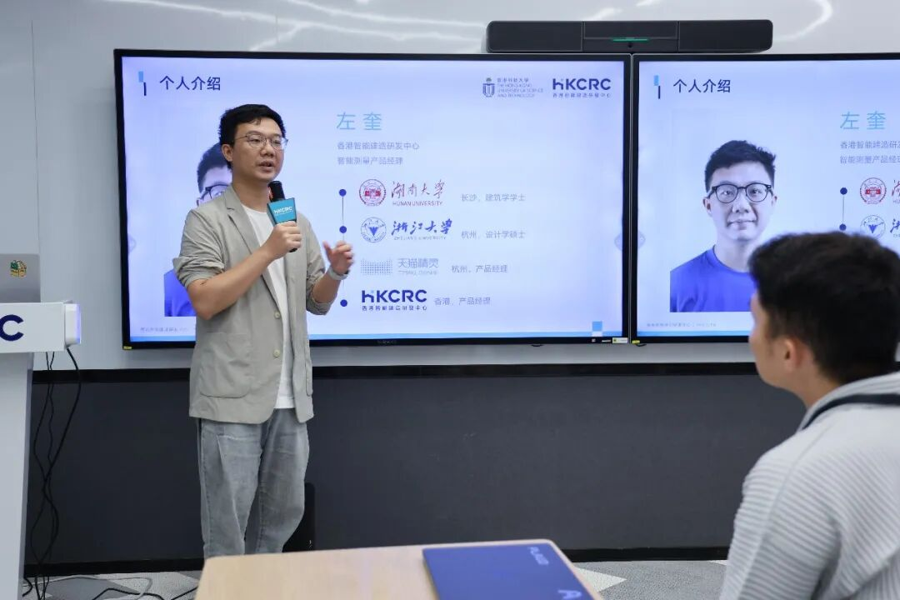
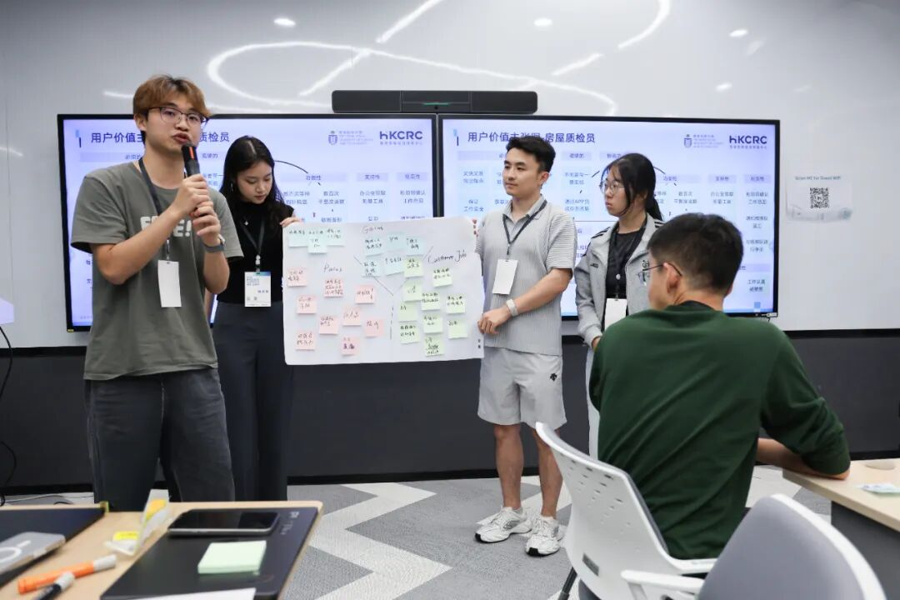
From theory to tools to hands-on practice, participants systematically mastered user-driven innovation methods through in-class exercises, establishing a solid foundation for moving from "divergence" to "convergence" over the next three days.
Day one is just the beginning. In the coming days, participants will take their methodologies and real industry pain points to the front lines—observing, interviewing, and defining problems on site, then returning to refine solutions and validate prototypes, culminating in their final pitch presentations. What kind of answers will they deliver? We look forward to finding out.



Get In Touch
Have questions or want to explore collaboration? Reach out to our team and let’s build the future of construction together.